
Propane / Heating Oil / HVAC Services
- My Account:
- Sign In
- Register
- Make Payment
-
Oil & Propane
Oil & Propane
-
- Become an oil customer overview
- Become an oil customer
- Heating oil services
- Heating oil delivery services
- Propane services
- Propane equipment
- Bioheat fuel
- Emergency weather services
- Pricing and payment plans
- Service and protection plans
- Equipment
- Special offers
- Heating oil FAQs
- Propane FAQs
- Bioheat FAQs
- Seasonal offers
- Heating oil special offers
- Propane special offers
- Heating equipment special offers
- Featured articles
- Choosing a heating oil provider based on pricing, service plans and support
- Propane vs Electric Heat: pros and cons
- How does oil heat work?
- Benefits of propane heat
- Heating oil vs natural gas heat
- How to save on heating oil and manage your bill
- Home heating oil is a great value
-
-
Heating
Heating
-
- HVAC services overview
- HVAC services
- Heating Systems
- Tank & Tankless Hot Water Heater Services
- HVAC home system accessories
- HVAC filter replacements
- Natural gas services
- Boiler and furnace repair
- Service plans
- Special offers
- Oil to gas conversions
- Emergency boiler and furnace services
- Heating FAQs
- HVAC FAQs
- Seasonal offers
- Heating system special offers
- Featured articles
- HVAC Split System vs Packaged Unit
- Tankless water heater vs tank storage water heater
- Why does my furnace keep turning on and off?
- Difference between boiler vs furnace
- When to replace furnace vs repair furnace
- Heating system tune up tips
- How to choose a tankless water heater
- Radiator vs baseboard heating
- How often to replace water heater
-
-
AC
AC
-
- HVAC services overview
- HVAC services
- Air conditioning services
- AC systems
- Ductless AC and mini-split
- HVAC home system accessories
- HVAC filter replacements
- AC tune-ups
- Air Conditioning Service Plans
- Emergency AC repairs
- AC replacement
- AC special offers
- AC FAQs
- Seasonal offers
- Cooling system tune up special offers
- Cooling system equipment offers
- Featured articles
- Why you should switch to a new energy-efficient air conditioning system
- How often you should change the AC filters in your house and how to do it
- What is a ductless mini-split AC system
- What size of central air conditioner do you need
- Heat pumps vs. air conditioners: What's the difference and which should I get
- Time to replace your AC?
- Choosing the best home air conditioner
- AC maintenance guide
-
- Generators Generators
-
Customer Hub
Customer Hub
-
- My Account overview
- My Account
- Paying your bill
- SmartPay
- Schedule an appointment
- Emergency services
- Service plans
- Referral Rewards
- Customer FAQs
- Featured articles
- Pay your bill online
- Automatic delivery facts you need to know
- Answers to most commonly asked questions
- Scheduling through My Account
- Enroll now
Control you want. Convenience you need.
Do it all quickly and easily online with My Account!
-




AC service plan benefits: Is an annual plan worth it?
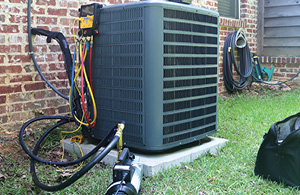
Most homeowners only think about their air conditioning system when it stops working, usually on the hottest day of the year. An AC service plan flips that pattern. It bundles the routine maintenance, priority repair access and parts coverage that keep a cooling system running before a breakdown forces the decision for you. The question is whether that bundle is worth a fixed annual cost and the answer depends on your equipment, your usage, and how much an unplanned failure would cost you.
What an AC service plan actually covers.

An AC service plan is a recurring annual contract that combines scheduled preventive maintenance with repair coverage and priority scheduling under a single fee. The exact contents vary by provider and tier, but most plans are built from the same three components and understanding each one is how you judge whether a plan fits your situation. Petro’s air conditioning service plans bundle seasonal maintenance with priority access if demand spikes.
The maintenance component is the backbone of your service plan. It typically includes at least one seasonal visit where a technician inspects, cleans and calibrates the system: checking refrigerant levels, clearing the condensate drain, testing electrical connections, and confirming the unit cycles correctly. The repair component covers either the labor on covered repairs, a discount on parts and labor, or both, depending on the tier. The service component is the one homeowners underrate until they need it: priority scheduling can be key during the summer rush.
- Seasonal maintenance: one or more annual visits to clean, inspect and tune the system before peak cooling season.
- Repair coverage or discounts: reduced or waived labor and parts costs on covered repairs, which is where a plan recovers its cost fastest.
- Priority scheduling: when call volume surges, this can often be the difference between a same-day and a multi-day wait.
Why skipped maintenance is the real cost.
Deferred maintenance is the single largest source of preventable air conditioning system failures because small issues compound silently across a cooling season until the system can no longer keep up. An air conditioning system does not usually fail from one sudden fault. It fails from an accumulation: a coil that loses airflow as dust builds, refrigerant that drifts below spec, a capacitor that degrades, a drain that slowly clogs.
Each of those is cheap to catch early and expensive to ignore. A dirty evaporator coil forces the compressor, the most expensive single component in the system, to work harder and run hotter, shortening its life. A low refrigerant charge that goes unaddressed can freeze the coil and damage the compressor outright. The seasonal visit in a service plan exists precisely to interrupt that compounding before it reaches the part that costs four figures to replace.
There is an energy cost, too. A system running with restricted airflow and degraded components draws more power to deliver less cooling, so the maintenance that a plan builds in also protects the efficiency you paid for when the system was installed.
Plan cost vs. paying per tune-up: how the math works.

A maintenance plan pays for itself when its annual fee is less than the combined cost of buying the same tune-up and repairs separately at full price. The cleanest way to evaluate a plan is to stop thinking of it as insurance and start treating it as a pre-purchase of services you would buy anyway.
Start with the maintenance you should be doing regardless: a seasonal tune-up. Most homeowners need that visit whether or not they hold a plan, and a standalone AC tune-up is a real out-of-pocket cost on its own. A plan typically folds that visit in, so the plan’s true added cost is only the gap between the plan price and what you would pay for the tune-up alone. Against that gap, weigh the repair discount and the value of priority access. One covered repair, or one avoided emergency premium during peak season, often closes the gap by itself.
If you would book a seasonal AC tune-up anyway, the incremental cost of a plan is smaller than the sticker price suggests, because the tune-up value is already money you planned to spend on annual HVAC maintenance.
An air conditioning service plan still delivers value when your AC is under warranty — it reduces the risk of post‑warranty breakdowns and helps your AC system last longer.
Who gets the most value from a service plan?

The homeowners who benefit most from an AC service plan are those whose cost of failure is highest, whether that cost is financial, medical, or measured in downtime. Three profiles stand out.
- Aging systems: central AC older than about six years is past the failure-free honeymoon, and the repair coverage plus proactive maintenance directly offset rising breakdown risk.
- Health-sensitive households: homes with infants, older adults, or anyone with respiratory or cardiovascular conditions cannot treat a summer outage as an inconvenience, which makes priority scheduling genuinely valuable.
- Budget-predictable households: anyone who would rather pay a known annual amount than face an unbudgeted repair bill in July gets exactly that trade from a plan.
The common thread is exposure. The more a mid-summer failure would cost you in money, comfort, or risk, the more a plan is buying down something you actually care about.
Priority service when the heat breaks records.
Priority scheduling is the plan benefit that converts a multi-day wait into same-day or next-day service during the periods when AC failures cluster. Air conditioners fail disproportionately during heat waves, exactly when every HVAC provider’s phone is ringing and every non-member is competing for the same limited appointment slots.
That timing advantage is hard to value until you need it, and it is precisely the benefit that does not show up on a simple price comparison. The plan is not only about cheaper services. It is faster access to services when access may be scarce.
When to call Petro instead of waiting.
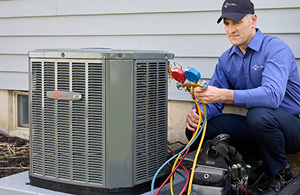
A professional service visit is warranted whenever your system shows early warning signs, whenever a seasonal transition is approaching, or whenever you are weighing whether a plan fits your home. Here are the three clearest triggers.
Before the first hot stretch of the year.
Schedule a maintenance visit in spring, before sustained heat arrives. A pre-season tune-up catches the airflow, refrigerant and electrical issues that would otherwise surface as a breakdown
on the first 95-degree day and it confirms the system is ready before demand peaks. This is the visit a service plan is built around.
When you notice early symptoms.
Weak airflow, warm air from the vents, longer cooling cycles, rising energy bills, or new noises are all early signals that a component is degrading. Calling at the symptom stage almost always costs
less than waiting for the failure and plan members can book that diagnostic visit with priority access and reduced fees.
When you are deciding whether a plan is worth it.
If you are unsure whether a plan fits your equipment and usage, a no-obligation quote is the fastest way to find out. A technician can assess the system’s age and condition
and tell you plainly whether the maintenance-plus-coverage math works in your favor, rather than leaving you to guess from a brochure.
See what an annual AC service plan would cost for your system. Get a free quote from your local HVAC pros at Petro to compare plan coverage against what you’re paying per visit today.
Related guide
SEER ratings explained: What counts as a good rating — a plain-English guide to SEER and SEER2 ratings, what the numbers mean for your energy bills, and how to choose an efficiency level when it is time to replace your system.
Petro Home Services is proud to not only serve communities in DC, CT, MA, MD, NJ, NY, PA, and RI but we also proudly acknowledge the skills and experience of our expert team behind all resources. With insights on topics ranging from heating oil facts to common air conditioning questions, you can rely on Petro Home Services for facts and information to help you understand more about your heating, cooling and home comfort needs. This article and all articles on the Petro Home Services website have been approved by our team of home service experts.